
DORA Compliance Navigating the Path to Digital Operational Resilience
In today’s digital-first world, organizations are increasingly reliant on technology to drive their operations, innovate, and serve customers. This dependence on digital systems, while beneficial, also comes with significant risks—cyberattacks, data breaches, system outages, and more. Financial institutions, in particular, face increasing pressure to ensure that their digital infrastructures remain resilient against disruptions. Enter DORA Compliance—a regulation set to shape the future of digital resilience in the European Union.
The Digital Operational Resilience Act (DORA), adopted by the European Union (EU) in 2022, is designed to ensure that financial institutions and other critical sectors can endure, recover from, and respond to a variety of digital and cyber risks. The core objective is simple yet profound: to ensure that businesses and critical entities can continue to function, securely and efficiently, in the face of digital disruptions.
Achieving DORA compliance is no longer a mere checkbox for regulatory adherence. For companies, it represents an opportunity to enhance their overall digital operational resilience, build trust with customers, mitigate risks, and protect the integrity of their business models in the digital age. In this article, we will explore the critical components of DORA compliance, why it’s essential, and how organizations can adopt a consulting-grade approach to meeting its stringent requirements.
What is DORA Compliance?
The Digital Operational Resilience Act (DORA) is a regulation introduced by the European Union to improve the resilience of financial institutions and other critical entities against digital disruptions, cyberattacks, and other ICT-related risks. While the regulation primarily targets financial organizations such as banks, insurance firms, asset managers, and payment services providers, its principles extend to any company involved in the provision of critical services, including those outside the financial sector.
DORA was born out of the need to address the growing dependence of financial institutions on Information and Communication Technology (ICT) and the increasing frequency of cyber threats. The regulation sets out a comprehensive framework that guides how firms should manage digital risks, ensure business continuity, and integrate resilience into their day-to-day operations.
Key Objectives of DORA Compliance
DORA’s compliance requirements aim to achieve the following:
-
Increase digital operational resilience across the financial services sector by setting clear standards for managing ICT-related risks.
-
Improve third-party risk management: Financial institutions increasingly rely on third-party service providers, especially for cloud-based solutions. DORA establishes strict guidelines on how these third-party relationships should be managed to minimize risk.
-
Enhance incident reporting: DORA mandates the reporting of significant ICT-related incidents to regulators and other relevant authorities, ensuring transparency.
-
Establish consistent regulatory standards across the EU to create a level playing field and make cross-border operations more predictable and secure.
The Importance of DORA Compliance
Given the digital nature of modern business, failure to comply with DORA’s requirements can have severe consequences—financial losses, reputational damage, operational downtime, and potential legal penalties. Compliance is critical not just for meeting regulatory requirements but for creating a secure, resilient, and sustainable digital environment.
The Pillars of DORA Compliance
DORA compliance isn’t a single task or an isolated project—it’s a holistic approach to digital operational resilience. The regulation spans various aspects of an organization’s digital operations, including governance, risk management, third-party management, and incident response. Below, we break down the key pillars of DORA compliance:
-
ICT Risk Management
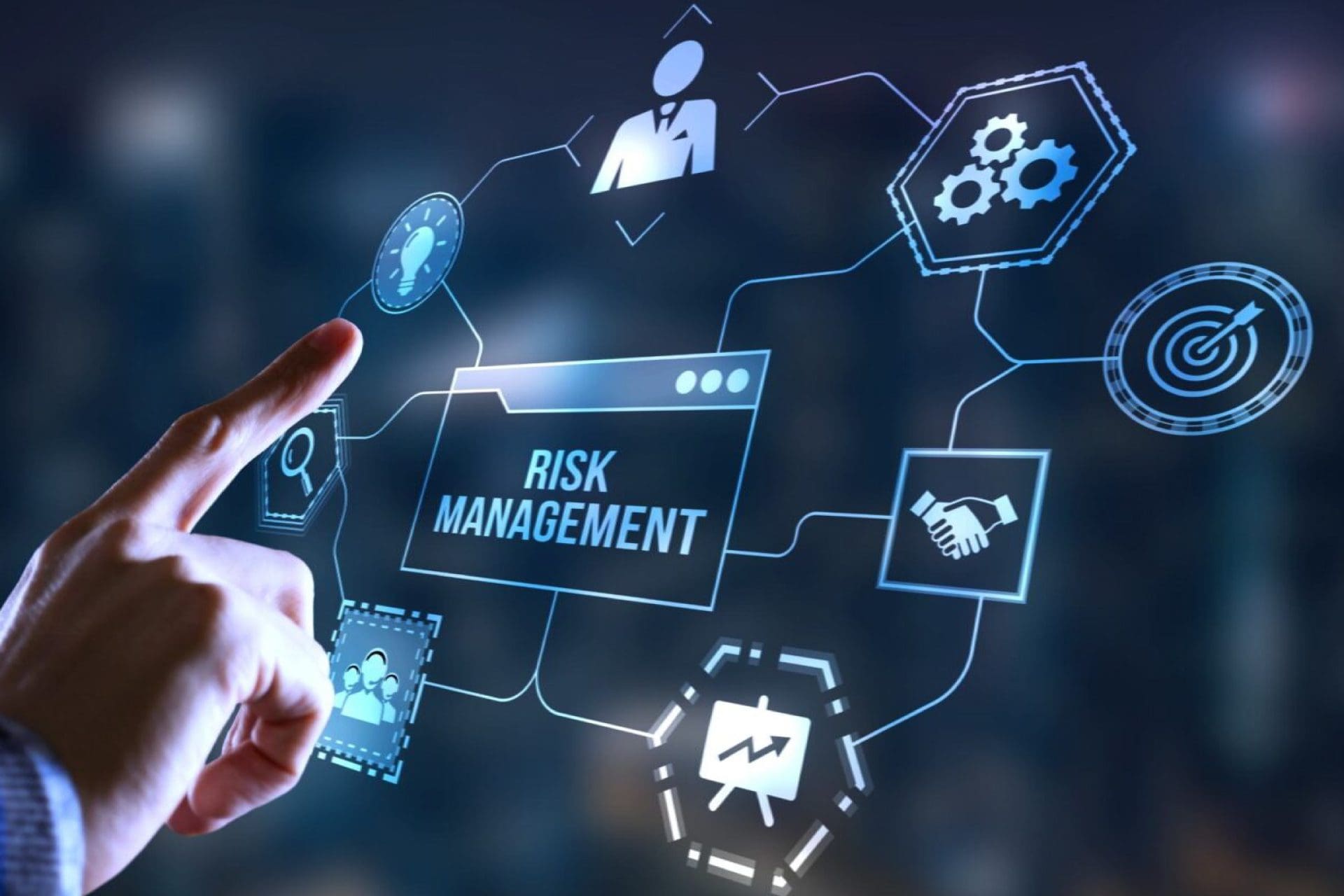
The first cornerstone of DORA compliance is ensuring that financial institutions manage their ICT-related risks effectively. The regulation calls for a proactive approach to identifying, assessing, and mitigating digital risks that may affect the institution’s ability to operate.
Key actions for achieving DORA compliance in ICT risk management include:
-
Risk assessments: Regularly evaluating potential vulnerabilities in the digital infrastructure.
-
Resilience frameworks: Creating a framework for assessing and managing ICT-related risks.
-
Business continuity: Developing plans to ensure that the business can continue to operate even in the event of a significant digital disruption or cyberattack.
-
Incident response: Having predefined, well-documented processes in place for responding to digital disruptions.
2. Third-Party Risk Management
As organizations increase their reliance on third-party service providers—especially for critical services like cloud computing, payment processing, and data storage—DORA places a strong emphasis on managing these external relationships effectively.
Key requirements under DORA include:
-
Due diligence: Conducting thorough assessments of third-party vendors to ensure that they meet the same operational resilience standards as the company itself.
-
Ongoing monitoring: Regularly monitoring third-party vendors for any potential risks or vulnerabilities that could affect the organization.
-
Exit strategies: Establishing clear exit strategies in case a third-party vendor fails to meet resilience standards or poses an unacceptable risk.
3. Incident Reporting and Management
DORA mandates that any significant ICT-related incident must be reported to the relevant national authorities within a specific timeframe. This requirement is designed to increase transparency and facilitate quick responses to digital disruptions. It also ensures that regulatory bodies are able to track and analyze trends in digital resilience across industries.
Under DORA, the reporting requirements are as follows:
-
Incident classification: Incidents must be classified based on their severity and impact on operations.
-
Timely reporting: Significant incidents must be reported within four hours of detection, depending on the severity.
-
Post-incident analysis: After an incident occurs, companies must conduct a root-cause analysis and develop measures to prevent similar incidents in the future.
4. Governance and Oversight
DORA compliance requires that senior management and the board of directors take ultimate responsibility for the organization’s digital resilience efforts. This means that leadership must be directly involved in overseeing the development and execution of ICT risk management strategies, ensuring adequate resources are allocated, and holding staff accountable for implementation.
Key elements include:
-
Board oversight: The board is ultimately responsible for the organization’s digital resilience strategy.
-
Internal controls: Ensuring that internal policies and processes support the organization’s resilience goals.
-
Accountability: Senior management must be held accountable for managing and mitigating digital risks.
5. Testing and Stress Testing
To ensure that systems and processes are robust enough to withstand disruptions, DORA requires that companies regularly test their ICT systems and resilience plans. Stress testing, in particular, plays a vital role in assessing the organization’s ability to recover from significant disruptions.
Key activities include:
-
Regular testing: Conducting periodic tests to evaluate the robustness of ICT systems.
-
Scenario-based exercises: Simulating potential disruptions to assess how well the company can respond.
-
Review and improvement: Continuously refining resilience strategies based on test outcomes.
A Consulting-Grade Approach to DORA Compliance
Achieving DORA compliance is not a simple checkbox exercise. The complexity of digital operational resilience requires a consulting-grade approach—one that combines deep technical expertise, strategic foresight, and rigorous implementation processes. Here’s how a consulting-grade approach can guide organizations through the journey of DORA compliance.
1. Initial Gap Analysis and Risk Assessment
The first step in any DORA compliance project is conducting a thorough gap analysis to identify areas where the organization’s current systems and practices fall short of DORA’s requirements. This includes evaluating ICT infrastructure, risk management frameworks, third-party relationships, and governance structures.
A consulting firm specializing in DORA compliance would typically conduct:
-
A comprehensive risk assessment: To identify vulnerabilities in the organization’s digital ecosystem.
-
A gap analysis: To compare the company’s current practices with DORA’s requirements.
-
A detailed report: Outlining areas of improvement and actionable recommendations for meeting compliance standards.
2. Developing a Resilience Strategy
Once gaps have been identified, consultants will work with the organization’s leadership to develop a comprehensive resilience strategy. This strategy should encompass the full spectrum of DORA’s requirements, including risk management, third-party vendor management, governance, incident response, and testing.
Key components of a DORA compliance strategy include:
-
Risk management framework: Defining processes for identifying, assessing, and mitigating ICT risks.
-
Third-party oversight: Establishing policies and processes for evaluating and managing third-party vendors.
-
Incident response plan: Creating a formal incident response framework, with clear protocols for reporting and mitigating disruptions.
-
Governance structure: Ensuring that the board and senior management are fully engaged in overseeing digital resilience efforts.
3. Implementing Technology Solutions
Consulting firms will also assist in selecting and implementing the right technologies to meet DORA compliance requirements. This may include integrating tools for real-time monitoring, cybersecurity, disaster recovery, and incident reporting.
Key technology solutions include:
-
Security Information and Event Management (SIEM): For real-time monitoring of security incidents.
-
Backup and disaster recovery solutions: To ensure business continuity in the event of an ICT failure.
-
Cloud security solutions: To ensure that third-party vendors meet resilience standards.
4. Training and Awareness Programs
A critical part of DORA compliance is ensuring that employees are equipped to handle ICT risks and disruptions. Consultants often design training programs to help staff understand their role in digital resilience, security best practices, and how to respond to incidents.
Training programs include:
-
Employee awareness: Educating staff on the importance of digital resilience and security.
-
Incident response training: Ensuring that teams are prepared to handle digital incidents quickly and efficiently.
-
Third-party management: Providing guidelines for assessing and monitoring third-party vendors.
5. Ongoing Monitoring and Continuous Improvement
DORA compliance isn’t a one-time effort; it requires continuous monitoring, testing, and refinement to ensure that the organization remains resilient to emerging threats and disruptions. Consulting firms can help organizations establish ongoing monitoring and improvement programs, ensuring that systems evolve as new risks emerge.
Continuous improvement activities include:
-
Regular vulnerability assessments: To identify and address new risks.
-
Stress testing and scenario-based exercises: To simulate potential disruptions and refine response plans.
-
Reporting and governance: Ensuring that management and the board receive regular updates on the organization’s digital resilience status.
Conclusion
DORA compliance is a strategic necessity for businesses that rely heavily on digital infrastructure and operate in the financial services sector. Achieving compliance is more than just a matter of meeting regulatory requirements—it’s about safeguarding an organization’s operational integrity, protecting sensitive data, and building trust with customers and stakeholders.
Adopting a consulting-grade approach to DORA compliance ensures that organizations not only meet the regulations but also strengthen their overall digital resilience. By working with expert consultants to implement risk management frameworks, enhance third-party relationships, improve governance structures, and develop robust incident response plans, companies can position themselves for long-term success in a digital-first world.
As the regulatory landscape around digital operational resilience continues to evolve, staying ahead of the curve and embracing a proactive, compliance-driven mindset will be critical for businesses looking to thrive in a volatile, digitally dependent environment.